
5 Myths About Social Media Marketing for Churches Debunked


Myth 1: Social Media Is Only for Young People
Many believe that social media is exclusively the domain of the younger generation. However, this is a misconception. Social media platforms have diverse user demographics that include all age groups. In fact, platforms like Facebook and Instagram have a significant number of users over the age of 35.
Churches can effectively reach a broad audience by tailoring their content to engage with different age groups. This approach ensures that everyone feels included and connected to the church community.

Myth 2: Social Media Is Not Appropriate for Churches
Another common myth is that social media and religious organizations do not mix. On the contrary, social media can be a powerful tool for churches to share their message, promote events, and foster a sense of community. By creating content that reflects the church's values and mission, congregations can engage with both current and potential members.
Many churches have successfully used social media to livestream services, share inspirational messages, and offer support to their members. This digital presence helps maintain a sense of connection, especially when physical gatherings are limited.
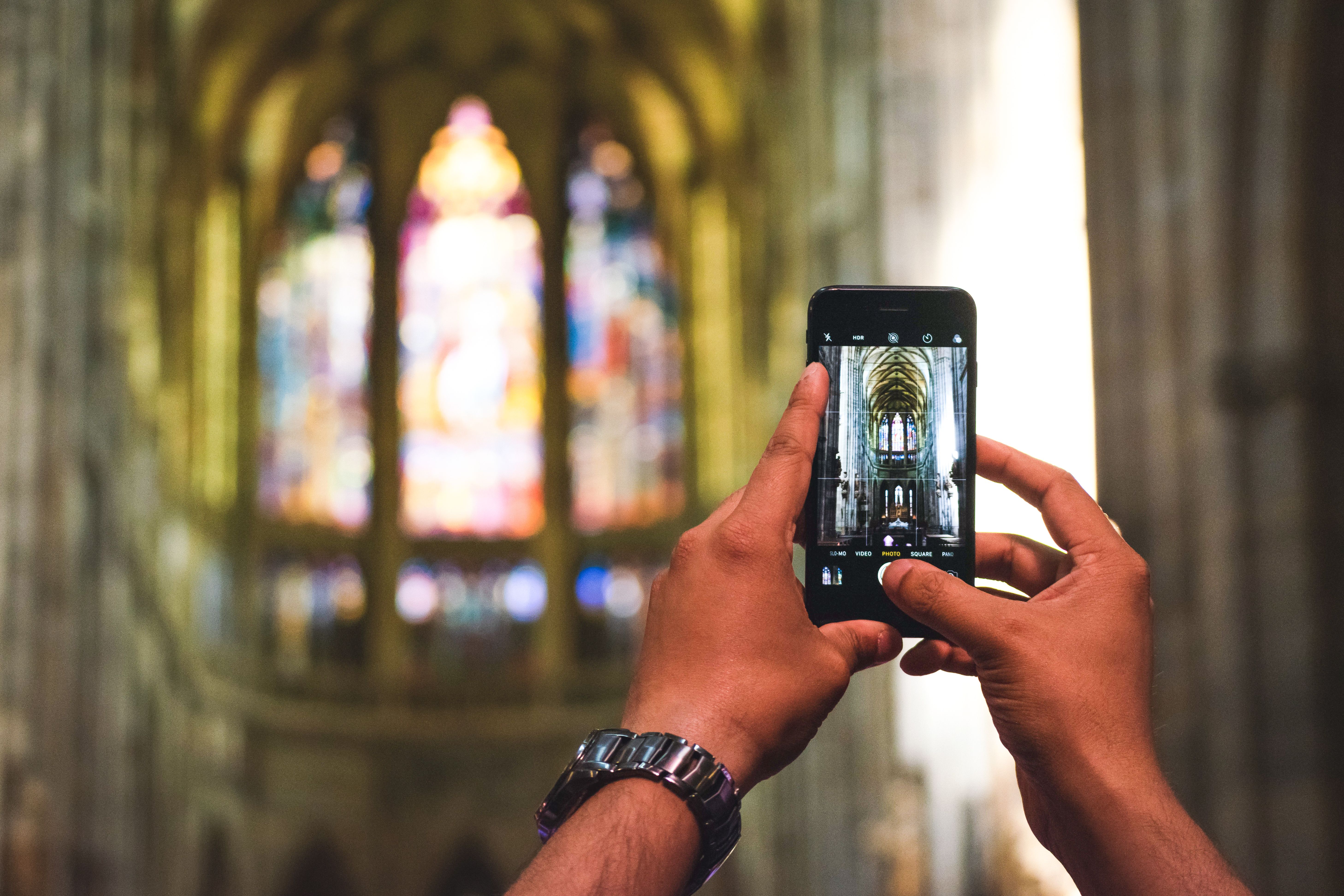
Myth 3: Social Media Marketing Is Too Expensive
Some may think that social media marketing requires a large budget. However, it is possible to engage effectively with your audience without breaking the bank. Platforms like Facebook and Instagram offer cost-effective advertising options that can be tailored to fit any budget.
Moreover, organic growth strategies, such as sharing engaging content and interacting with followers, can significantly boost a church's online presence without incurring additional costs. Consistency and authenticity are key to successful social media marketing.
Myth 4: Social Media Requires Constant Posting
There is a belief that to be successful on social media, you need to post constantly. While regular posting is important, quality over quantity is crucial. Creating meaningful and engaging content that resonates with your audience is more beneficial than frequent, superficial posts.
Churches can plan a content calendar that aligns with their mission and events. This strategic approach ensures that the content remains relevant and engaging without overwhelming the team responsible for social media management.

Myth 5: Social Media Results Are Instant
Many expect immediate results from social media efforts, but building a strong online presence takes time. Patience and consistency are essential. The impact of social media marketing often becomes more apparent in the long term as relationships and engagement grow.
Churches should focus on building trust and community through steady interaction and valuable content. Over time, these efforts will lead to increased visibility, engagement, and, ultimately, a stronger church community.