
Top Tips for Church Social Media Strategy in Today's Digital Age


Understanding Your Audience
In today's digital age, churches are finding new ways to connect with their congregations through social media. To begin, it's crucial to understand your audience. Consider the demographics of your congregation and tailor your content to meet their interests and needs. Engaging with your audience on platforms like Facebook, Instagram, and Twitter can create a sense of community beyond the church walls.
Knowing your audience helps in crafting messages that resonate. Are they predominantly families, young adults, or seniors? Each group may interact with content differently, so tailor your approach accordingly.

Developing a Content Plan
Once you know your audience, the next step is to develop a content plan. A well-structured plan ensures consistency and helps in maintaining active engagement. Consider creating a mix of posts, such as inspirational quotes, event announcements, and community stories.
Organize your content with a calendar to track what you’ll post and when. This not only keeps your posts regular but also allows you to plan for seasonal or special events, like Easter or Christmas services.

Incorporating Multimedia
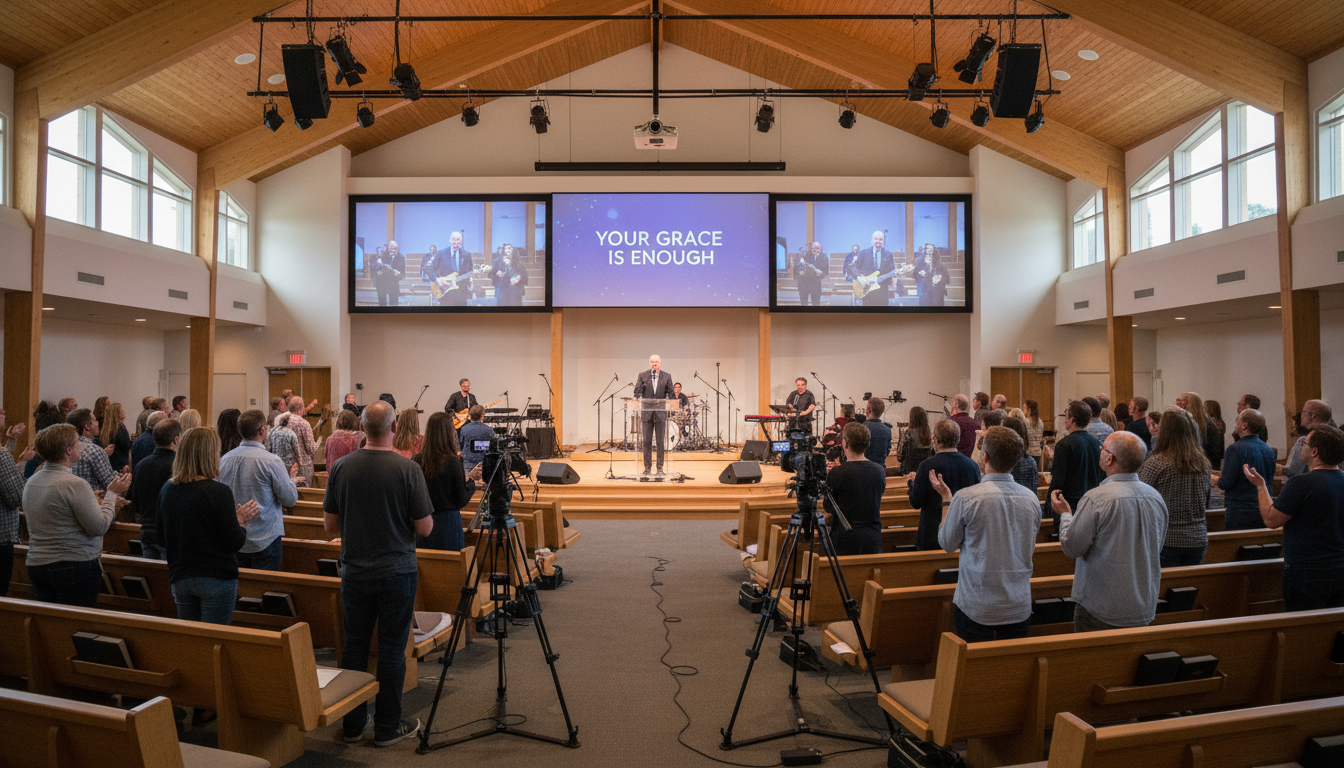
Visual content is a powerful tool in social media strategy. Incorporate images, videos, and even live streams to make your posts more engaging. Videos of sermons, testimonials, or church events can reach a wider audience and provide a dynamic way to share messages.
Remember to maintain a consistent visual style that aligns with your church's identity. This helps in building brand recognition and makes your posts instantly recognizable.
Engaging with Your Congregation
Social media isn't just about broadcasting messages; it's about interaction. Encourage your congregation to comment, share, and participate in discussions on your posts. Respond to comments and messages promptly to foster a sense of connection.
Consider hosting Q&A sessions or live discussions where members can engage directly with church leaders. This not only builds community but also provides a platform for addressing questions and sharing insights.
Utilizing Analytics
Finally, make use of analytics tools provided by social media platforms to track your progress. Understanding which posts perform well and why can help refine your strategy over time. Look for patterns in engagement and adjust your content plan accordingly.
By regularly reviewing analytics, you can identify what resonates with your audience and ensure your social media efforts are effective in achieving your church's goals.